
Tomb Raider: The Osiris Codex
Tomb Raider: The Osiris Codex is the first episode of a mobile phone trilogy using the Tomb Raider license. Lara will have to go through fifteen levels of gameplay full of traps, puzzles, objects and enemies.
Tomb Raider: The Osiris Codex is a video game developed by IOMO, released 20 November 2003 on Legacy Mobile Device.
What Tomb Raider: The Osiris Codex is
Tomb Raider: The Osiris Codex was developed by IOMO and released in 2003. It was published by Eidos Interactive. It is available on Legacy Mobile Device only. It runs on ExEn (Execution Engine).
The premise, in the publisher's words
Lara receives an anonymous commission to retrieve a mysterious relic, the Osiris Codex, from a recently uncovered tomb. The stolen manuscript is the earliest record of ancient Egyptian metallurgy, and Osiris (The Egyptian god of resurrection and eternal life) has always been inexorably linked with alchemy.
Where it sits in the Tomb Raider series
Tomb Raider: The Osiris Codex is the 19th of 140 entries we hold in the Tomb Raider series. The next entry was Tomb Raider: Quest for Cinnabar in 2004.
What it launched against
Tomb Raider: The Osiris Codex launched on 20 November 2003, within three weeks of Beyond Good & Evil, Prince of Persia: The Sands of Time, SpongeBob SquarePants: Battle for Bikini Bottom and Need for Speed: Underground.
Released around the same time: Beyond Good & Evil, Prince of Persia: The Sands of Time, SpongeBob SquarePants: Battle for Bikini Bottom, Need for Speed: Underground.
Official trailer
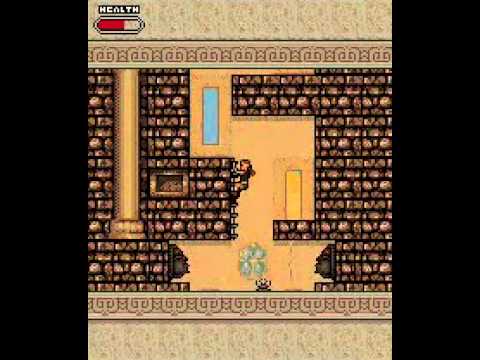
Sourced from the publisher’s YouTube channel.
Screenshots
All media
Quick answers